Event Highlights
Nonprofits & Public Policy: A Conversation on Mackinac Island
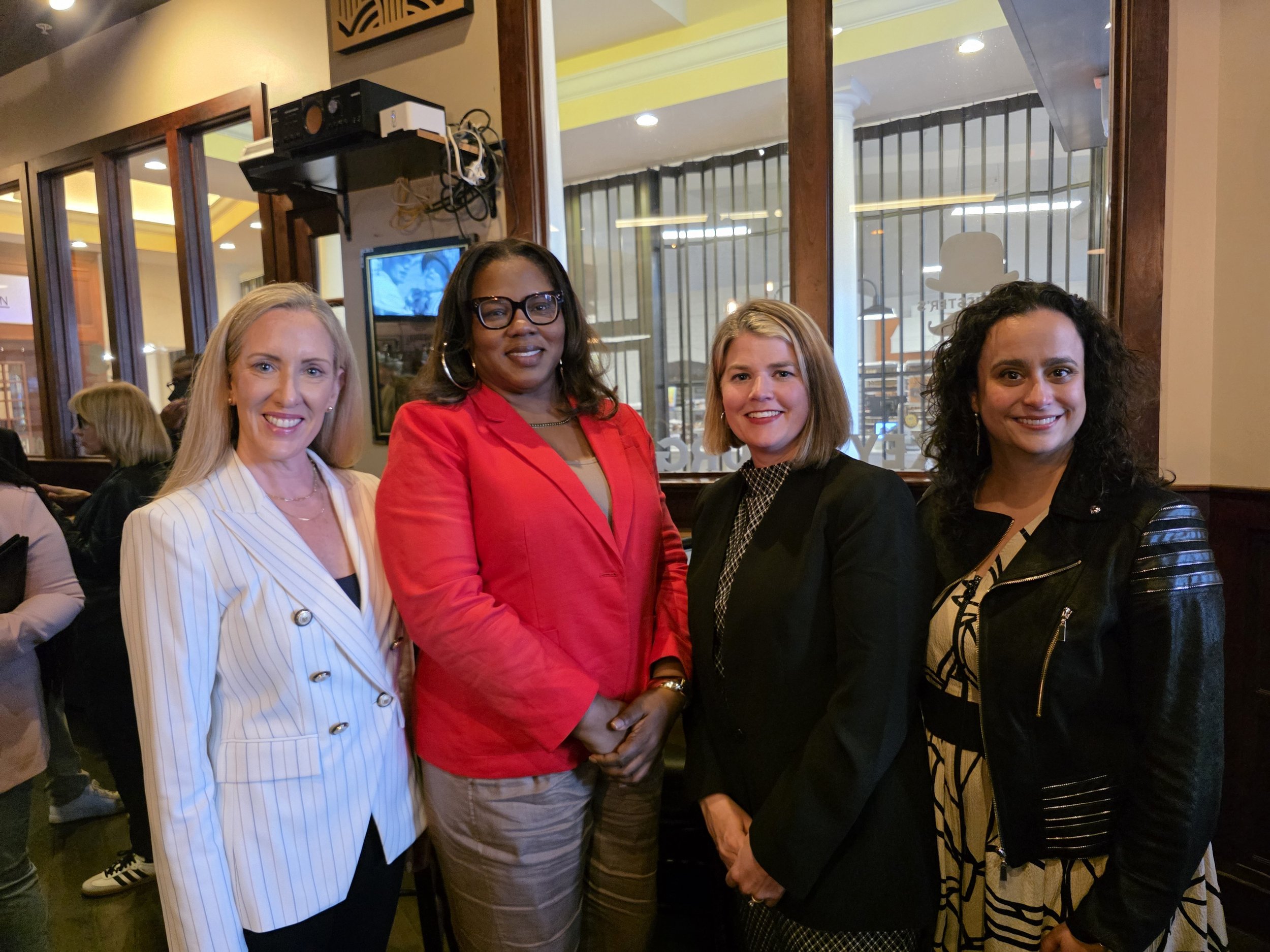
On May 26, panelists and over 100 guests joined us at the Mackinac Policy Conference for networking and conversation about the impact of public policy on the nonprofit sector and how nonprofit leaders can work alongside policymakers to inform decisions that strengthen our communities.
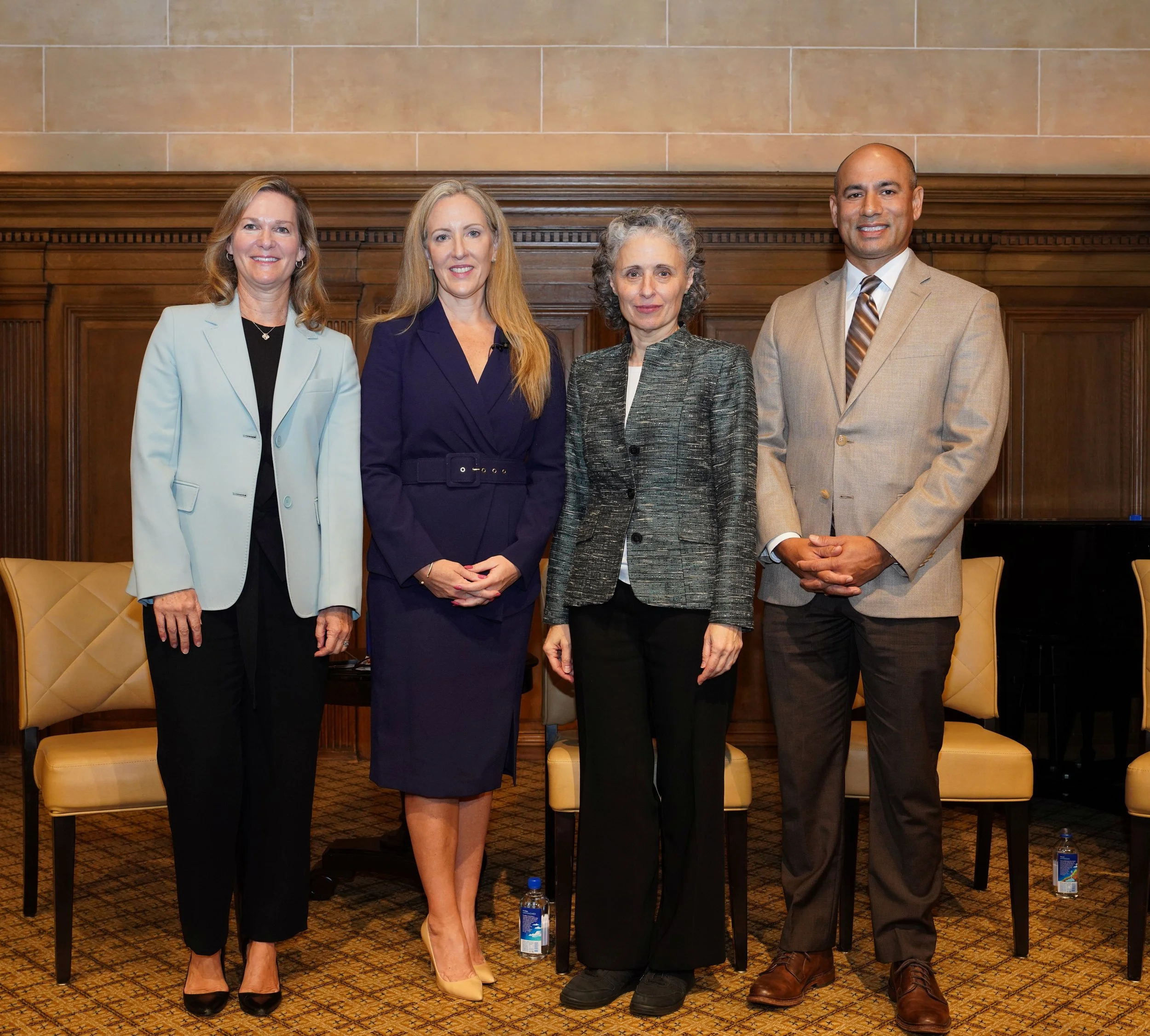
Pictured left to right: Rachel Decker, President and Founder, Detroit Philanthropy; Khalilah Burt Gaston, President & Executive Director, Song Foundation; Kelley Kuhn, President & CEO, Michigan Nonprofit Association; and Monique Stanton, President & CEO, Michigan League for Public Policy.
Here are the key takeaways from the panel discussion:
1. Nonprofits Must See Advocacy as Core to Their Mission
The panel repeatedly emphasized that advocacy and public policy are not optional activities reserved for large organizations or policy-focused nonprofits. Decisions made at the local, state, and federal levels directly influence funding, regulations, programs, and the communities’ nonprofits serve every day. Even organizations focused primarily on direct services have a responsibility to engage in policy conversations, educate stakeholders, and ensure the voices of their clients and communities are represented in decision-making processes.
2. Unity Across the Entire Nonprofit Sector Is Critical
Speakers stressed that the challenges facing the sector are too significant for any single organization to address alone. Nonprofits, foundations, healthcare systems, educational institutions, businesses, and community organizations must work together to advance shared priorities and advocate for policies that strengthen communities. Collaboration, coalition building, and coordinated messaging will be essential to increasing the sector’s influence and ensuring policymakers understand the collective impact nonprofits have on economic vitality and quality of life.
3. Current Policy Threats Affect the Existence of Nonprofits Themselves
Panelists noted that many of today’s policy debates extend beyond individual programs or funding streams and have the potential to fundamentally reshape the nonprofit landscape. Proposed changes related to government funding, tax policy, charitable giving incentives, nonprofit regulation, and tax-exempt status could significantly affect organizations’ ability to operate and deliver services. As a result, nonprofit leaders must pay close attention to emerging policy developments and recognize that advocacy is increasingly necessary to protect the long-term sustainability of the sector itself.
4. Boards Need to Become More Comfortable with Advocacy
Many nonprofit boards are hesitant to engage in policy and advocacy work due to concerns about appearing partisan or crossing legal boundaries. The panel emphasized that advocacy is not the same as partisan political activity and that nonprofits have broad opportunities to educate policymakers, elevate community voices, and advocate for issues that align with their mission. Speakers encouraged organizations to invest in educating board members about what is legally permissible and why advocacy is an important part of advancing their mission. Board members can be powerful ambassadors and advocates, but they must first understand their role and feel confident taking action on behalf of the communities they serve.
5. Nonprofit Leaders Are Experiencing Significant Stress and Burnout
The conversation acknowledged the tremendous emotional and operational strain nonprofit leaders are experiencing as they navigate increasing community needs, funding uncertainty, workforce challenges, and a rapidly changing policy environment. Panelists emphasized that these are not "business as usual" circumstances and encouraged organizations to create space for honest conversations about stress, burnout, and mental well-being. Supporting staff and leadership, prioritizing sustainability, and recognizing the human impact of this work are essential if organizations are to remain effective over the long term.
6. Federal Policy Changes Could Dramatically Increase Demand for Nonprofit Services
Panelists expressed concern that proposed changes to healthcare, food assistance, housing, and other social safety net programs could leave more individuals and families turning to nonprofits for support. They noted that the impact would extend far beyond direct service organizations. As philanthropic and community resources are redirected to meet growing basic needs, nonprofits across all sectors - including education, the arts, workforce development, and civic engagement - could face increased competition for funding. The result is a ripple effect that places additional strain on an already stretched nonprofit sector.
7. The Sector Cannot Continue Absorbing New Responsibilities Without Resources
A recurring theme throughout the discussion was the growing expectation that nonprofits will fill gaps created by reductions in government services and public investment. Panelists cautioned that while nonprofits are resilient and mission-driven, they cannot continue expanding programs and taking on new responsibilities without corresponding resources. Sustainable solutions require adequate funding, supportive public policies, and recognition that nonprofits cannot be expected to solve increasingly complex challenges alone.
8. Philanthropy Needs to Be a Strategic, Long-Term Partner
The panel encouraged funders to recognize that this moment requires more than traditional grantmaking. As nonprofits face increasing uncertainty and growing community needs, philanthropy has an opportunity to serve as a strategic partner by providing the flexibility organizations need to adapt, innovate, and advocate for systemic change. Speakers emphasized the importance of unrestricted funding that can support both direct services and advocacy efforts, as well as longer grant terms that allow nonprofits to plan beyond annual funding cycles. They also highlighted the value of deeper collaboration between funders and grantees, noting that open communication, trust, and shared problem-solving are essential to helping organizations navigate an increasingly complex environment.
9. Nonprofits Need to Move from Defense to Offense
While much of the current conversation centers on responding to policy threats, panelists urged organizations to take a more proactive approach to shaping public policy. This includes investing in civic engagement efforts, encouraging census participation, supporting voter education, building relationships with elected officials, and participating in coalitions that advance shared priorities. Rather than simply reacting to decisions made by others, nonprofits have an opportunity to help influence policies that better reflect the needs and experiences of the communities they serve.
10. Community, Collaboration, and New Leadership Provide Hope
Despite the serious challenges discussed throughout the session, panelists ended on a hopeful and forward-looking note. They pointed to growing participation in nonprofit advocacy efforts, stronger collaboration across organizations and sectors, and an increasing willingness among leaders to work collectively on complex issues. Speakers also highlighted the emergence of a new generation of nonprofit and community leaders who are bringing fresh ideas, embracing advocacy, and demonstrating a strong commitment to advancing equity and opportunity. Together, these trends offer reason for optimism about the sector's ability to meet the challenges ahead and continue driving meaningful change
Summary:
The discussion underscored that advocacy is no longer optional for nonprofits - it is essential to advancing mission and protecting the communities’ organizations serve. Panelists emphasized that the nonprofit sector is facing unprecedented policy challenges that could affect funding, tax policy, and the long-term sustainability of organizations themselves. In response, nonprofits, foundations, and community partners must work together, strengthen their collective voice, and engage more proactively in public policy discussions.
At the same time, speakers acknowledged the significant strain nonprofit leaders are experiencing as they navigate growing community needs, funding uncertainty, and increased expectations. They called for greater investment in the sector through flexible philanthropic support, stronger board engagement in advocacy, and public policies that recognize nonprofits cannot continue absorbing new responsibilities without adequate resources. Despite these challenges, the conversation ended with optimism, highlighting the power of collaboration, civic engagement, and emerging leaders to help shape a stronger future for the nonprofit sector
Beyond the Proposal: Relationships, Readiness, and Funding Decisions
Every foundation receives far more proposals than it can fund, yet a small number consistently rise to the top. On April 21, 2026, nearly 200 valued guests gathered to listen to our panel of experts share valuable insights on the proposal review process and practical strategies to strengthen submissions.
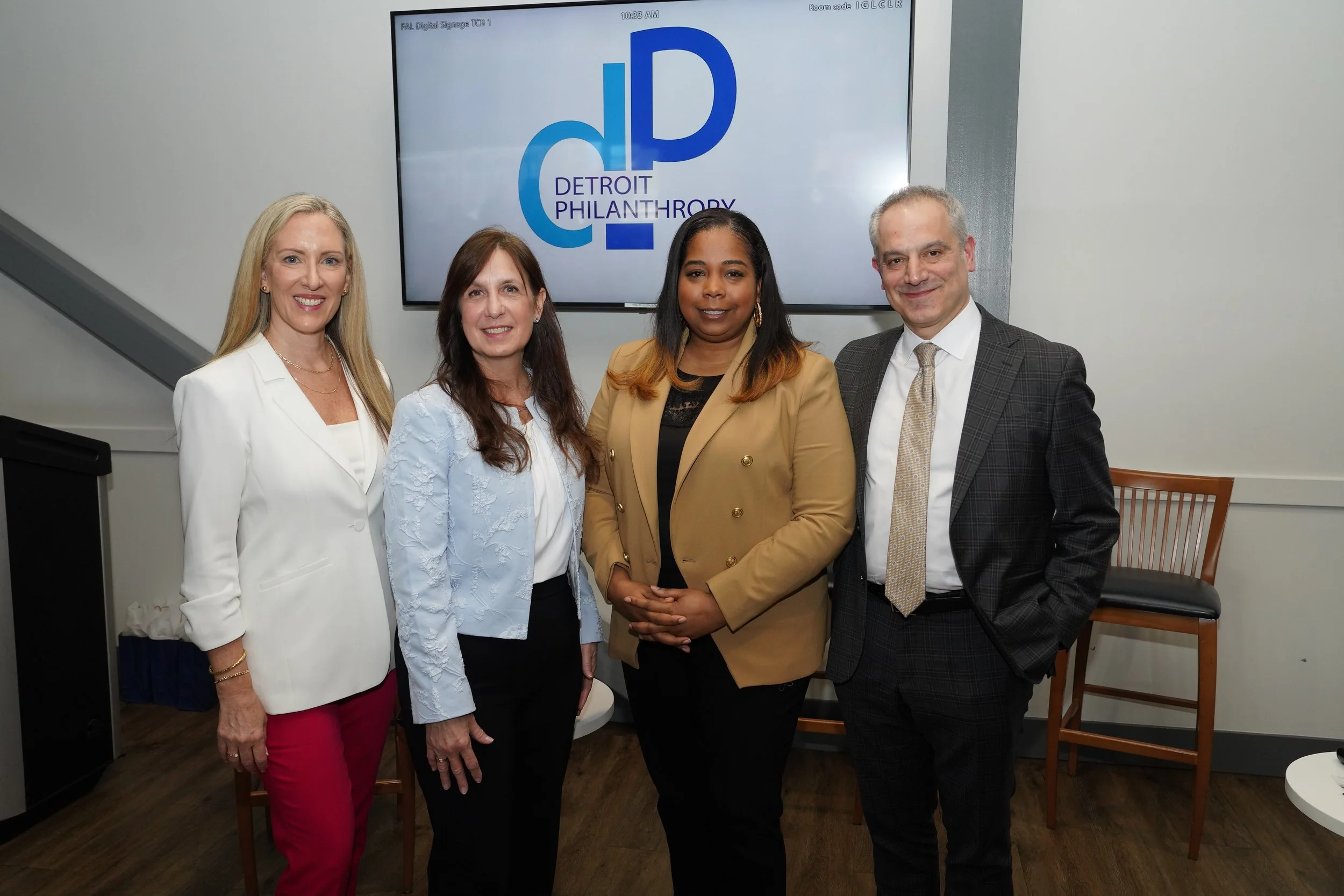
Pictured left to right: Rachel Decker, President and Founder, Detroit Philanthropy; Cindy Rowell, Director of Learning & Impact, Max M. & Marjorie S. Fisher Foundation; LaTrice McClendon, Director, Detroit Knight Foundation; and Andrew Echt, Director, Applebaum Family Philanthropy.
Here are the key takeaways from the panel discussion:
1. Alignment is more than matching priorities. It’s important to demonstrate understanding.
The strongest outreach reflects a clear understanding of a foundation’s strategy, language, and desired outcomes.
Tailored communication signals seriousness; generic proposals are easy to spot and often dismissed.
Thoughtful alignment is an early signal of credibility, and credibility is the foundation of trust.
Takeaway: Funders can quickly distinguish between surface-level alignment and true strategic fit, and trust starts there.
2. Follow the process but use personal engagement to build trust and clarity.
Respect formal processes (LOIs, portals), but, when possible, use early conversations to confirm fit and refine your request.
Initial outreach should focus on listening and learning not pitching.
Early interactions set the tone for the relationship and begin establishing trust.
Takeaway: Strong organizations use early engagement not just to inform strategy, but to begin building trust.
3. Readiness reflects the strength and reliability of the organization.
Funders consistently look for:
Clear strategy and achievable goals.
Credible leadership and engaged boards.
Financial stability and transparency.
Strong partnerships and community credibility.
These are signals that an organization can be trusted to execute and steward resources well.
Takeaway: Readiness is about more than capacity - it’s about being a trustworthy investment.
4. Clarity and focus build confidence.
Common pitfalls:
Vague or overly broad proposals.
Unclear outcomes or use of funds.
Misalignment between narrative and budget.
Proposals that aren’t tailored to the funder.
Lack of clarity can create doubt, while clear, consistent proposals reinforce trust.
Takeaway: Clarity isn’t just good writing, it’s a trust-building tool.
5. A strong idea still requires the right timing.
Even compelling proposals may be declined if the organization lacks infrastructure or capacity.
Funders are assessing whether they can trust the organization to deliver.
A ‘no’ doesn’t always mean never. Sometimes it just means not right now.
Takeaway: Trust in execution is just as important as belief in the idea.
6. Impact is best demonstrated through both data and human stories.
Foundations look for clear outcomes, evaluation, and evidence of impact but data alone is not enough.
Strong organizations pair concrete metrics (what changed, how much, over what time) with compelling stories that illustrate the human impact behind the numbers.
For newer or smaller nonprofits, a thoughtful mix of early data, qualitative insights, and a clear plan for measurement can still be highly effective.
Takeaway: Data proves impact but stories make it meaningful and memorable. Together, they build credibility and trust.
7. Relationships are built through consistency, not transactions.
Strong relationships include ongoing communication, updates, and shared learning not just funding requests.
Regular, thoughtful engagement builds familiarity and confidence over time.
Takeaway: Trust is built between proposals, not just during them.
8. Funders value honesty - and it strengthens trust.
Foundations want the unvarnished truth: what’s working, what isn’t, and where challenges exist.
Sharing setbacks and roadblocks demonstrates strong leadership and sound judgment.
Overly polished narratives can erode trust if they don’t reflect reality.
Takeaway: Transparency isn’t a risk; it’s one of the fastest ways to build trust.
9. Program officers are advocates but they need your help to build buy-in internally.
Foundation staff are rarely the final decision-makers; they must bring forward and defend funding recommendations.
They need clear, compelling narratives (supported by both data and stories) to confidently “sell” your work to leadership and boards.
When you equip them well, you extend trust beyond the initial relationship.
Takeaway: Help them help you. Your story should be easy to understand, repeat, and champion.
10. Strong organizations integrate alignment, readiness, relationships, and trust.
Alignment gets attention.
Readiness builds confidence.
Relationships create connection.
Trust sustains and deepens investment over time.
Final Takeaway: At every stage, from first outreach to long-term partnership, trust is the factor that ultimately determines which organizations rise to the top.
From Sponsorship to Strategic Partner: Building Corporate Relationships That Last
Many nonprofits rely on corporate sponsorships, but far too often these relationships remain transactional and short-term. On February 24, 2026, Detroit Philanthropy, our panel of experts, and esteemed guests gathered to explore how companies evaluate partnerships, discuss what drives renewal decisions, and highlight how nonprofits can move beyond one-off sponsorships to become true strategic partners.
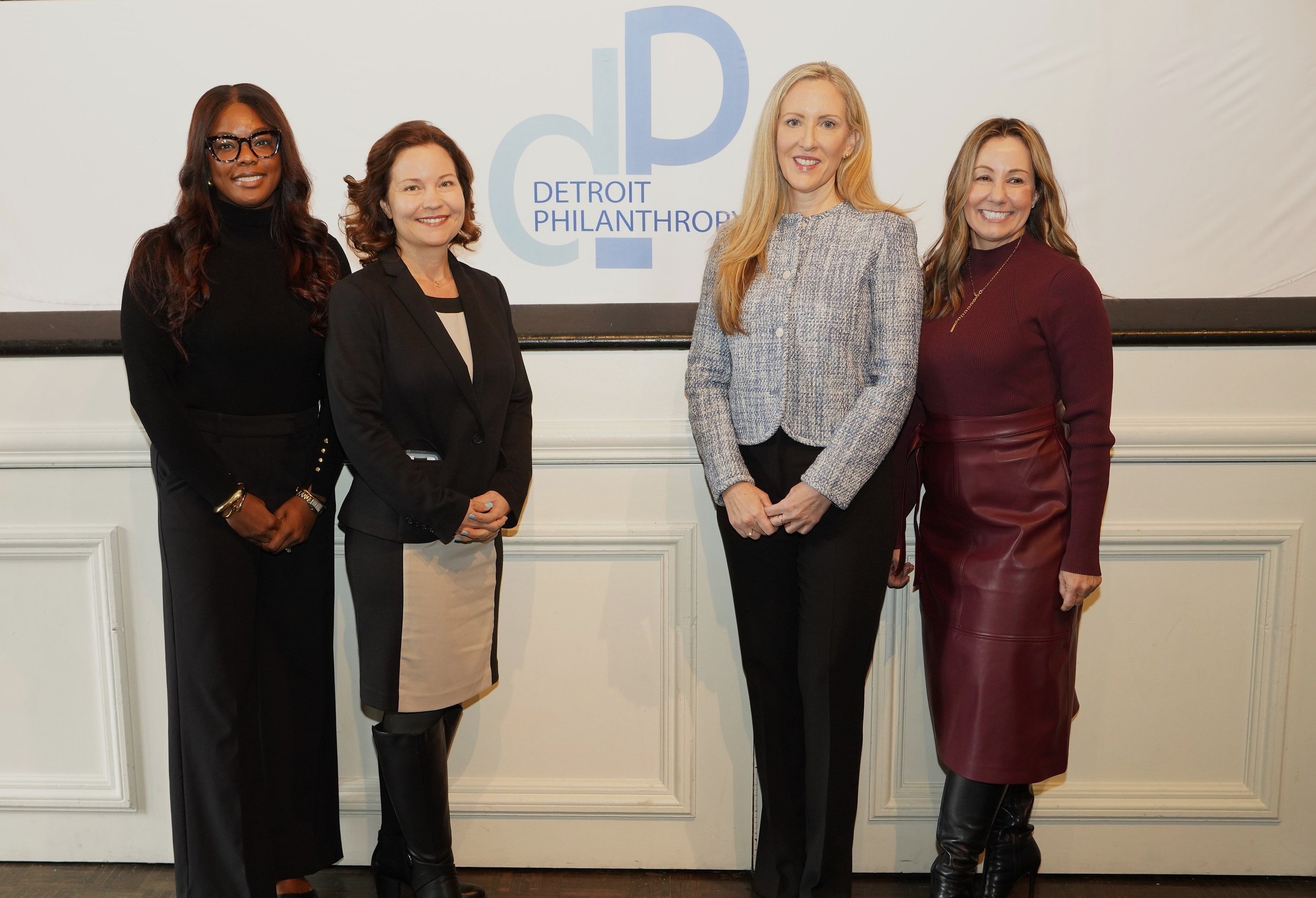
Pictured left to right: Brianna Alexander Lindo, Director, Corporate Citizenship, Ally; Carmen Burnell, Manager, Strategic Partnerships, Delta Dental of Michigan, Ohio, and Indiana; Rachel Decker, President and Founder, Detroit Philanthropy; and Jennifer Jambor, Government and Community Affairs, Metro Detroit, Comcast.
Here are the key takeaways from the discussion:
Mission Alignment Is Non-Negotiable
Across all panelists, alignment between a nonprofit’s work and a company’s mission was the most consistent theme. Whether focused on oral health, digital opportunity, or economic mobility, corporations prioritize initiatives that clearly connect to their strategic goals. If you can’t articulate alignment, it’s unlikely to move forward.
Personalization Matters - Mass Emails Hurt Credibility
“Dear Sir or Madam” emails and templated outreach were repeatedly cited as red flags. Corporations expect nonprofits to do basic research before initiating contact. A thoughtful introduction that references the company’s focus areas signals respect and serious intent.
Lead With Impact, Not Sponsor Benefits
Opening conversations with table counts, logo placements, or payment links makes the interaction feel transactional. Strong partnerships begin with impact, outcomes, and shared purpose - not perks.
Focus on Outcomes, Not Just Outputs
Corporations look beyond numbers served (“outputs”) to measurable change (“outcomes”). Data is important, but so is storytelling. The most compelling reports connect statistics to meaningful transformation.
Relationships Take Time - Think Long Term
“You don’t ask someone to marry you on the first date.” Successful partnerships often evolve over years of conversations, education, and trust-building before significant funding materializes.
Trust-Based Communication Strengthens Partnerships
Transparency is critical. Share successes and challenges. If a program pivoted or underperformed, proactive communication builds trust and prevents surprises. Corporations want to help problem-solve, not discover issues on social media.
Think Beyond the Check: Engage Employees
Many companies have robust employee giving and volunteer programs. Offering meaningful engagement like graduations, volunteer days, or skill-based opportunities, deepens commitment and strengthens renewal potential.
Follow the Process
Corporations often have structured application cycles and review committees. Following published guidelines and timelines improves your chances and prevents unnecessary back-and-forth. Strategic persistence is welcome; bypassing process without reason is not.
Approach Conversations With a “Build Together” Mindset
Shift from “What can we get?” to “What can we build together?” Collaborative framing signals partnership potential and invites creative, multi-touch engagement rather than one-off sponsorship.
Be Clear, Concise, and Curious in Early Outreach
Introductory emails should be brief, personalized, and exploratory. A short note requesting a conversation, after demonstrating alignment, outperforms lengthy proposals with multiple attachments. Curiosity about mutual value creates stronger first impressions.
Bottom Line:
Corporate relationships move from sponsorship to strategic partnership when nonprofits prioritize mission alignment, consistent communication, long-term thinking, and authentic collaboration over transactional asks.
Investing in Impact: Why Endowments Matter
On November 19, Detroit Philanthropy was pleased to host our final panel discussion of 2025 - it was a robust and timely conversation on the essential role endowments play in strengthening long-term nonprofit sustainability.
In today’s increasingly uncertain funding landscape, nonprofits are navigating fluctuating donor behavior, rising operational costs, and economic instability. Against this backdrop, endowments have become more than a strategic advantage. They are a critical tool for safeguarding organizations through challenging periods and empowering leaders to plan boldly for the future.
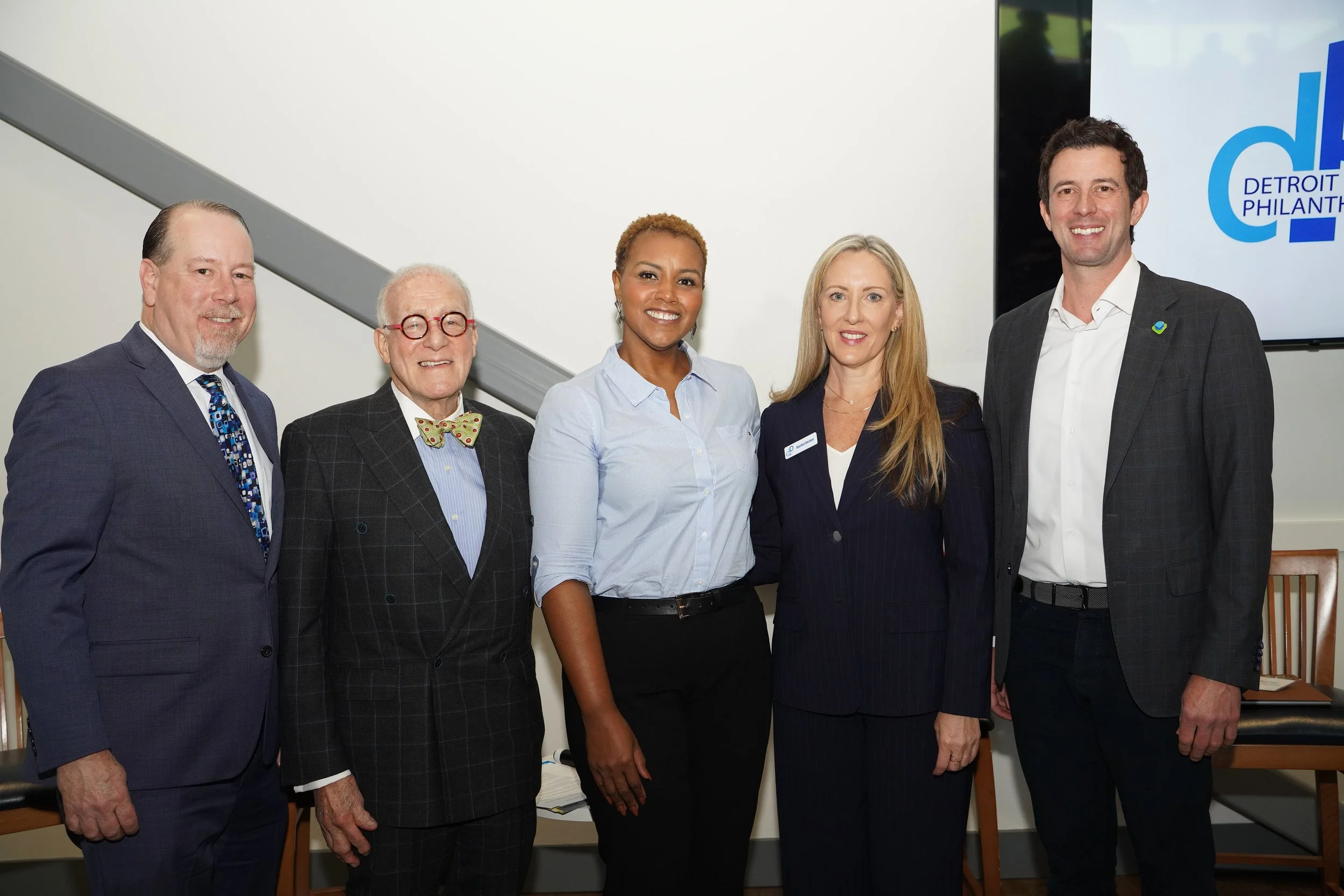
Pictured left to right: Randall Ross, Vice President, Donor Services, Community Foundation of Southeast Michigan; Andrew Camden, Managing Partner, Kercheval Financial Group; Tarsha Gale, Executive Director, Brilliant Detroit; Rachel Decker, President & Founder, Detroit Philanthropy; and Andrew Stein, CEO, Children’s Foundation.
Here are the key takeaways from the discussion:
Endowments provide permanent capital and long-term stability.
Endowments serve as a perpetual financial resource, generating annual support regardless of economic fluctuations. This permanent capital allows nonprofits to respond to unpredictable revenue cycles, support core programs even during downturns, and strategically invest in new opportunities when conditions are strong. Over time, an endowment becomes one of the most reliable and mission-aligned income streams an organization can build.
Endowments allow organizations to operate from a position of strength rather than urgency.
Without stable funding, nonprofits are often forced to make reactive decisions, resulting in the need to cut programs, delay growth, or reallocate staff. An endowment creates breathing room, giving leaders the ability to prioritize long-term impact over short-term crises. When financial pressures ease, organizations can stay focused on mission delivery, strategic growth, and deeper community engagement.
Endowments signal permanence and inspire donor confidence.
A well-structured endowment communicates that the organization is committed to serving its community for generations. Donors are more likely to invest in a mission that demonstrates long-term planning, fiscal responsibility, and staying power. Endowments become a powerful message to supporters: “We’re not just here today….we’re building for tomorrow.”
Clarity is the first step in any endowment conversation.
Before engaging donors or partners, organizations must articulate why an endowment matters. This includes defining the mission, the impact being delivered, and the strategic reasons the organization needs to exist for decades to come. Being able to clearly explain how an endowment supports future stability, program excellence, and community impact builds a stronger case for support.
Board and staff commitment is essential for successful endowment development.
Creating an endowment requires leadership alignment, including a board that understands the purpose, approves the structure, and champions the effort. Staff must also be prepared to dedicate time and energy to long-term donor education, stewardship, and planned giving outreach. Endowment building is not a short-term campaign. It is a sustained, organization-wide commitment.
Organizations must be prepared when partnering with institutions that manage or create endowments.
Entities such as community foundations and financial partners will require clear and accurate information to help establish an endowment. This includes leadership bios, governance structures, financial statements, annual fundraising goals, and multi-year projections. A board resolution authorizing the creation of an endowment is often a key step. Being prepared demonstrates professionalism and helps ensure the endowment is set up properly from the beginning.
Endowment funding should complement, not replace, annual or campaign giving.
A common misconception is that endowment fundraising competes with annual fund or special project support. In reality, endowment gifts typically come from different donor motivations, including legacy planning. It’s critical to communicate that the endowment is an additional opportunity for investment, not a substitute for the organization’s current year needs. Educating donors on the diverse ways to contribute is essential.
Small, consistent gifts play a major role in endowment growth.
Many people assume endowments are built exclusively through million-dollar bequests or contributions from wealthy donors. But most endowments grow through steady, modest gifts given over time. Donors who give $100–$500 annually and maintain that commitment over decades often become some of the most loyal supporters and may eventually include the endowment in their estate plans. Consistency builds culture, and culture builds endowments.
Frequent communication is key to endowment sustainability and growth.
Donors should hear about the endowment regularly. Sharing updates, success stories, impact, and testimonials helps donors understand how their long-term gifts make a difference. Ongoing communication keeps the endowment visible, reinforces its purpose, and encourages supporters to consider how they might participate in or expand its impact over time.
It’s important to be informed.
There are several local resources available to help you learn more.
Special thank you to our speakers for sharing their insights during our April Panel discussion.
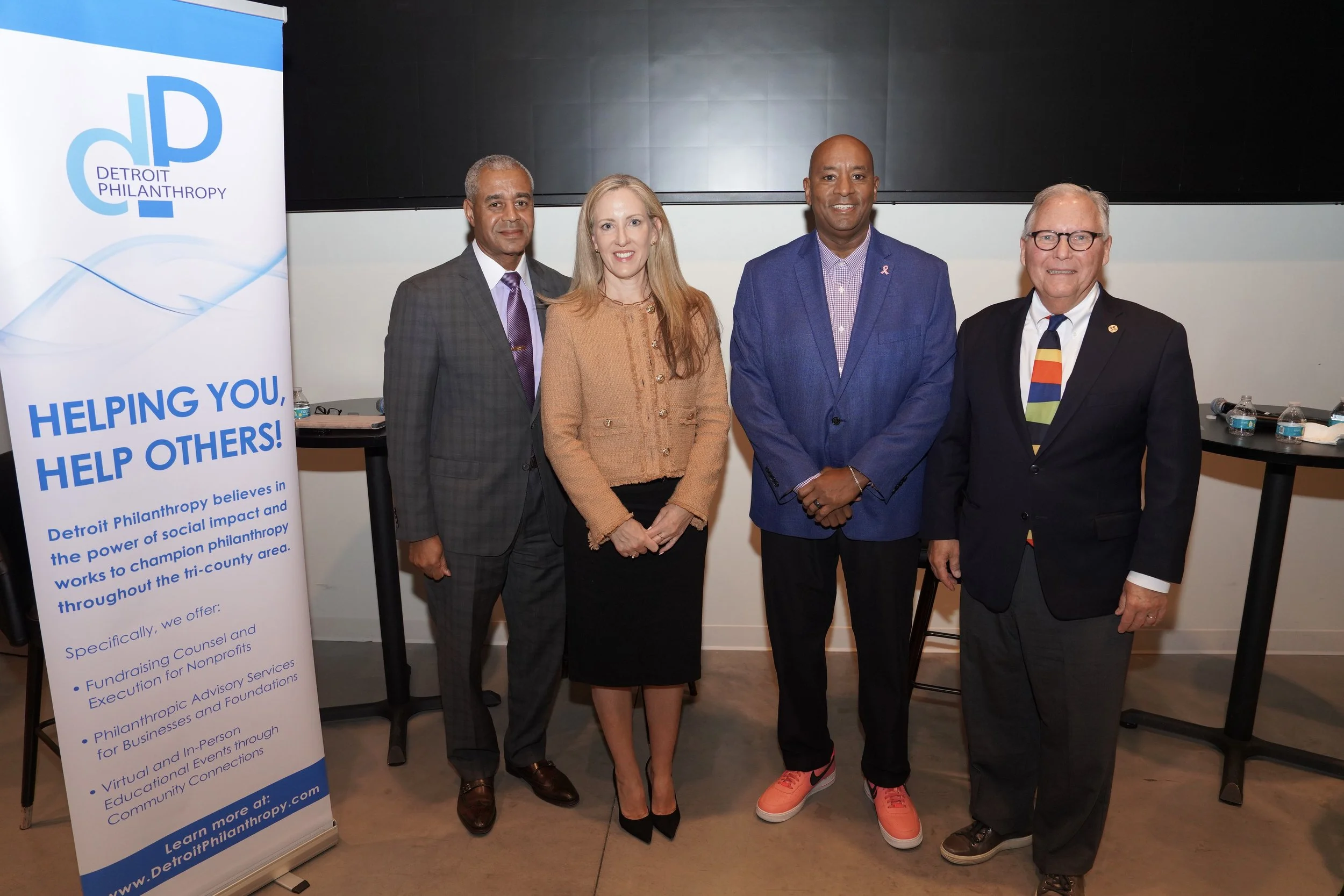
Pictured from left to right: Lane Coleman, CEO, The Strike Group and Board Chair, The Detroit Institute of Arts; Rachel Decker, President & Founder, Detroit Philanthropy; Randall Melton, Vice President of Operations, Kroger Michigan and Board Chair, American Cancer Society Michigan; Rev. Dr. Louis Prues, Board Chair, Presbyterian Villages of Michigan.
The Board Chair: How to Effectively Leverage the Partnership
Here are some valuable takeaways from our panel held on April 17, 2025.
Having term limits for Board Members is essential for effective governance. Terms limits also require that a strong succession plan be in place so that incoming board chairs have an effective onboarding period. Working alongside current officers and executive leadership will help ensure a smooth transition.
Putting parameters around the expectations of individual Board Members is essential to keeping members active and engaged. Tell potential new board members exactly what is expected of them, so they know what they are signing up for. Are they required to make a personal contribution each year? Are they required to fundraise or bring in a sponsor or reach a financial commitment? Are they comfortable opening connections in their personal networks?
Be strategic about who you put on your board and use their strengths and connections in the community. Your board should be diverse not only across race and gender, but members should also come from different networks and spheres of influence. Utilizing a matrix with identified expertise, personal attributes, networks, industry, etc. can help to facilitate this process. Organizations need to be intentional and thoughtful about board composition.
Have a strong onboarding program for new Board members. Pair them with an existing member as a mentor for the first year that can give them an education on the history and vision of the organization and encourage them to explore which committee(s) could benefit from their skills and knowledge.
Ask board members to create personal accountability plans each year and share those with the Board Chair. Review the progress towards these goals together at quarterly one on one meetings. This will help to ensure everyone’s active participation. It also helps to allow board members to identify how they could be most helpful.
Make sure your board meetings are interactive. Don’t talk AT your board, create opportunities for open discussion. Create a structure where board members can share the things they are working on and areas that others can help.
Successful boards often get the majority of work done though committees. The Board Chair has a stake in the success of these committees and should either attend committee meetings or regularly converse with the committee chair so that progress and roadblocks can be discussed.
The relationship with your Board Chair and the nonprofit’s CEO is very important. Effective rapport is built by spending time together. Regular check-ins should be scheduled so that the two leaders build trust and a common understanding of their roles.
A Legacy of Giving: How Family Foundations Are Shaping Philanthropy
Special thank you to our speakers for sharing their insights during this our February panel discussion.
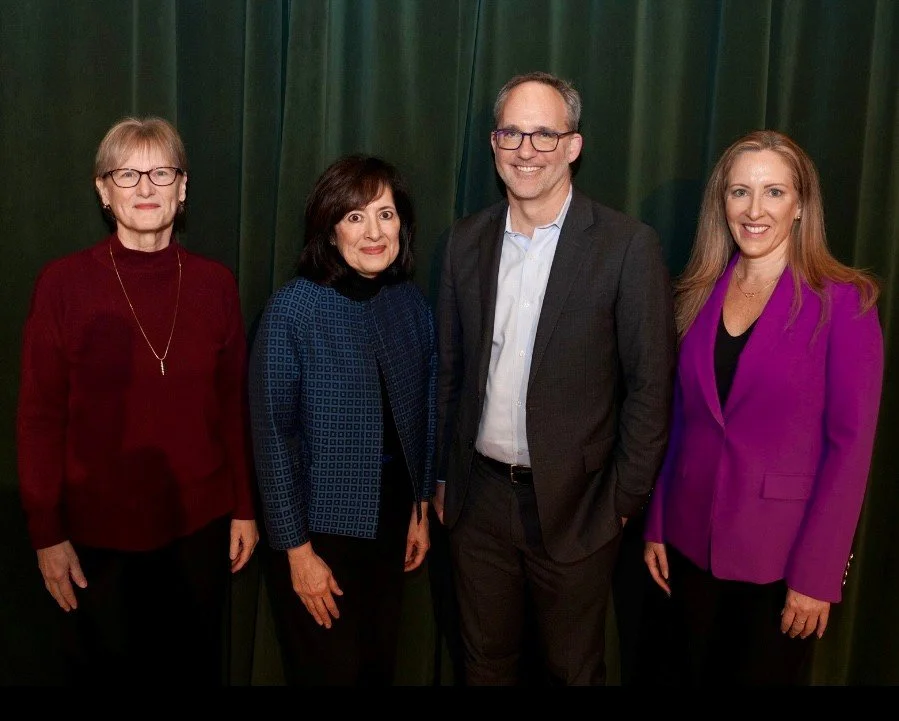
Pictured from left to right: Elizabeth Stieg, Executive Director, The Carls Foundation; Raquel Thueme, President, Ruth Mott Foundation; Darin McKeever, President & CEO, William Davidson Foundation; and Rachel Decker, President & Founder, Detroit Philanthropy.
Here are some valuable takeaways from our panel:
People First Approach: Whether convening community forums, investing in change agents, conducting site visits to understand capital needs, or emphasizing storytelling, our panelists stressed the importance of listening to their community and to their grantees. While maintaining the founder’s original intent and legacy is important to them, they also know that adapting to current needs is vital to ensure a thriving community.
Building Relationships is Crucial: It’s important to network, make connections, and ask for introductions, especially for nonprofit organizations that may not have been funded in the past. Also, family foundations often prefer direct conversations to learn about your organization, rather than relying solely on formal applications or proposals. Don’t be shy!
Data and Storytelling Go Hand-in-Hand: Foundations value both data and storytelling. It's crucial to consistently share your data while also telling your organization's story. What impact are you making? How are you fulfilling your mission? What outcomes are you experiencing?
Flexibility and Transparency in Grant Processes: Family foundations are beginning to emphasize simplicity, flexibility and transparency in the application process. Our panel all indicated that their aim is to make it easier for grantees by not requiring unnecessary information. A few of them even offer resources like information sessions.
Supporting Long-Term Impact Over Short-Term: Family foundations value transformational and catalytic initiatives that can make a significant, long-term impact. Our panelists all represented foundations who are charged with working in perpetuity to live out their founder’s intent. Because they have a long-term view, they like to understand how your nonprofit organization is providing enduring benefits.
Providing Support Beyond Grants: Our panelists understand the value of partnership. More than being just a funder, they want to work collaboratively with their grantees. They emphasized the value they place on allowing organizations to allocate funds where they are most needed. They understand that enabling flexibility and supporting capacity, allows them to build stronger organizations.
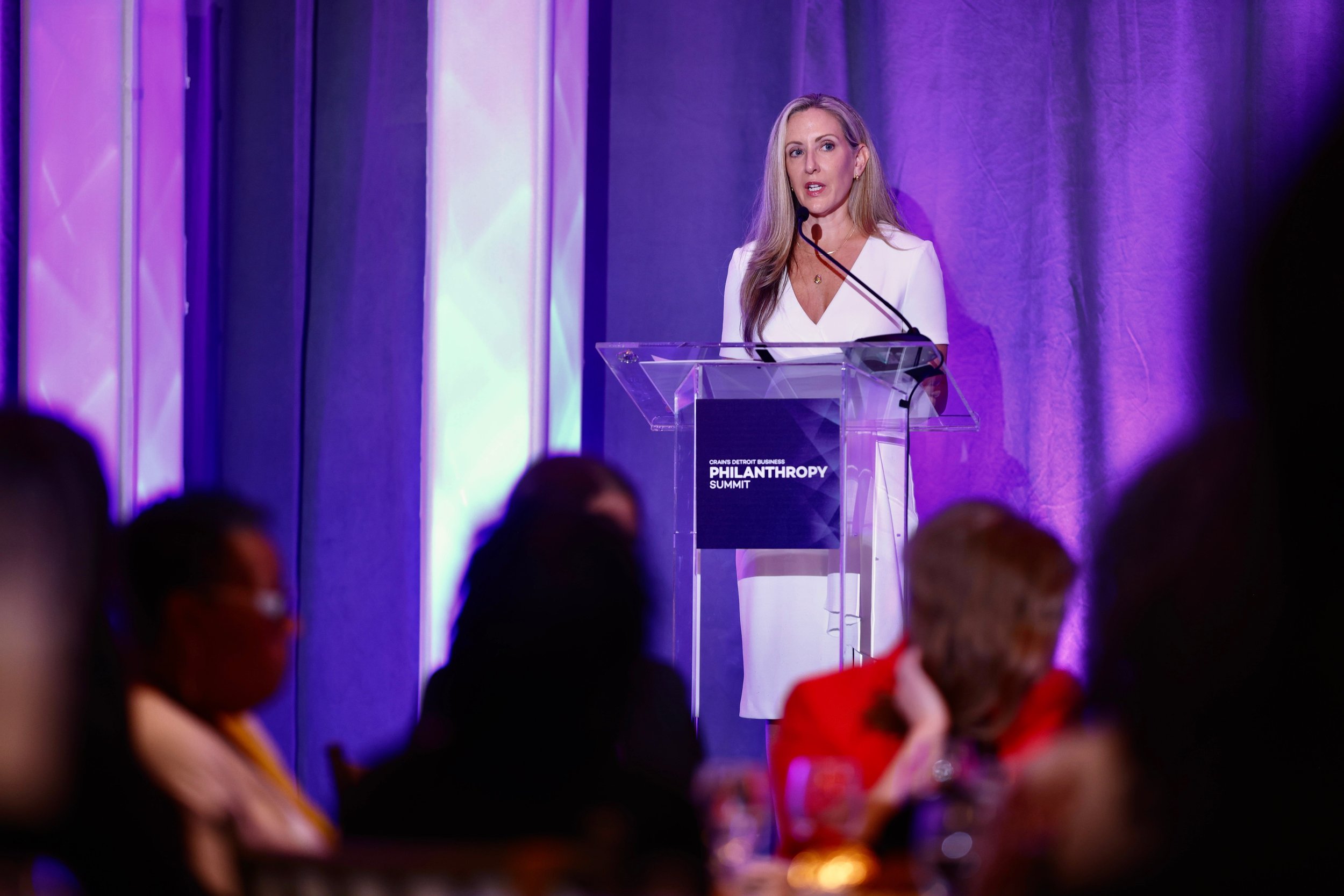
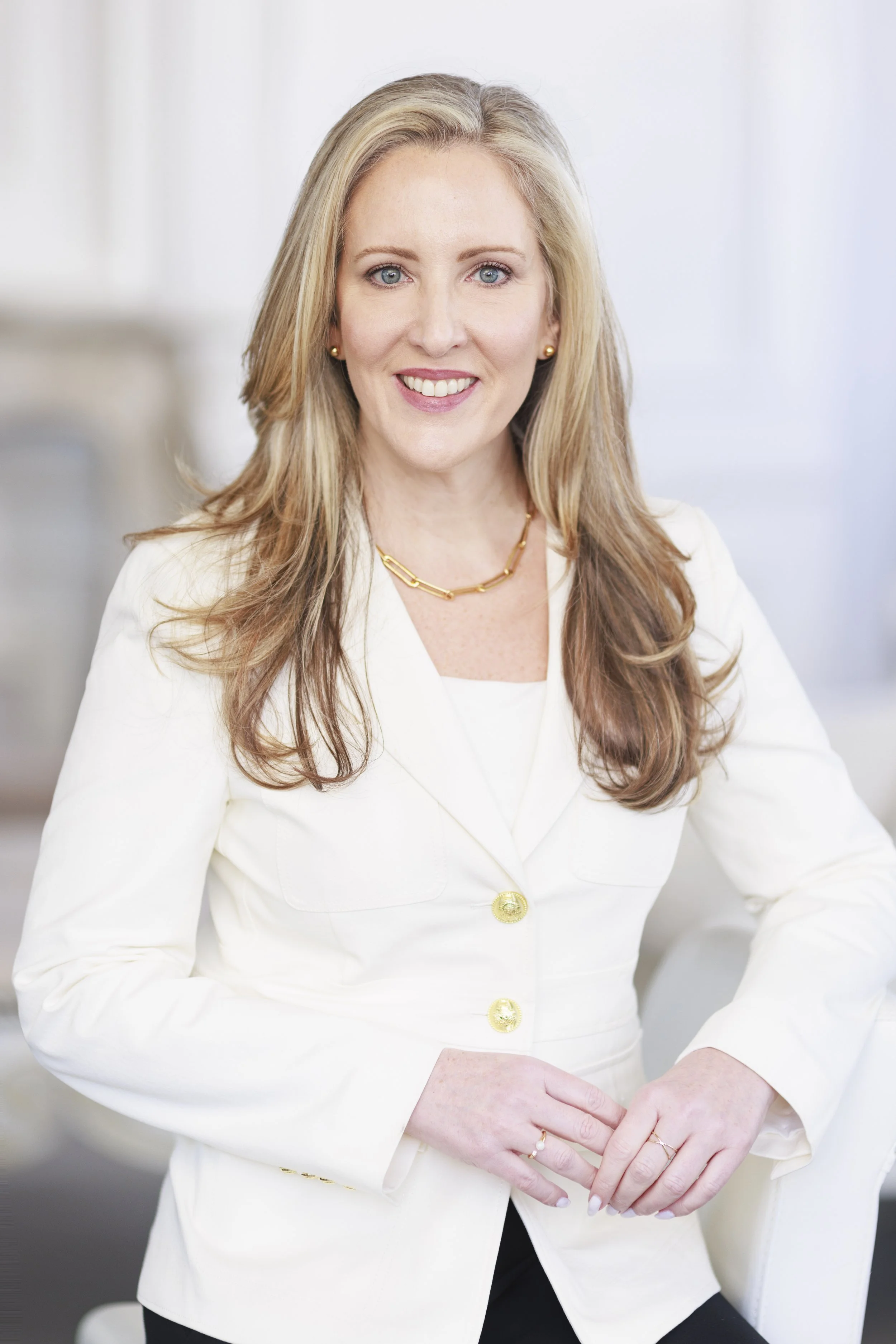
Rachel Decker
President
Having spent nearly 25 years in the nonprofit sector as a strategic fundraising and foundation executive, Detroit Philanthropy President Rachel Decker is passionate about helping others, making meaningful connections, solving problems and, most importantly, creating impact in our community. With the founding of Detroit Philanthropy, she turned that passion into a commitment to champion philanthropy throughout metro Detroit.
Let’s work together
Interested in connecting? Share your info and we will be in touch shortly.